
Strength Training for Women 30+: Build Strength Beyond the “Summer Body” for Long-Term Health
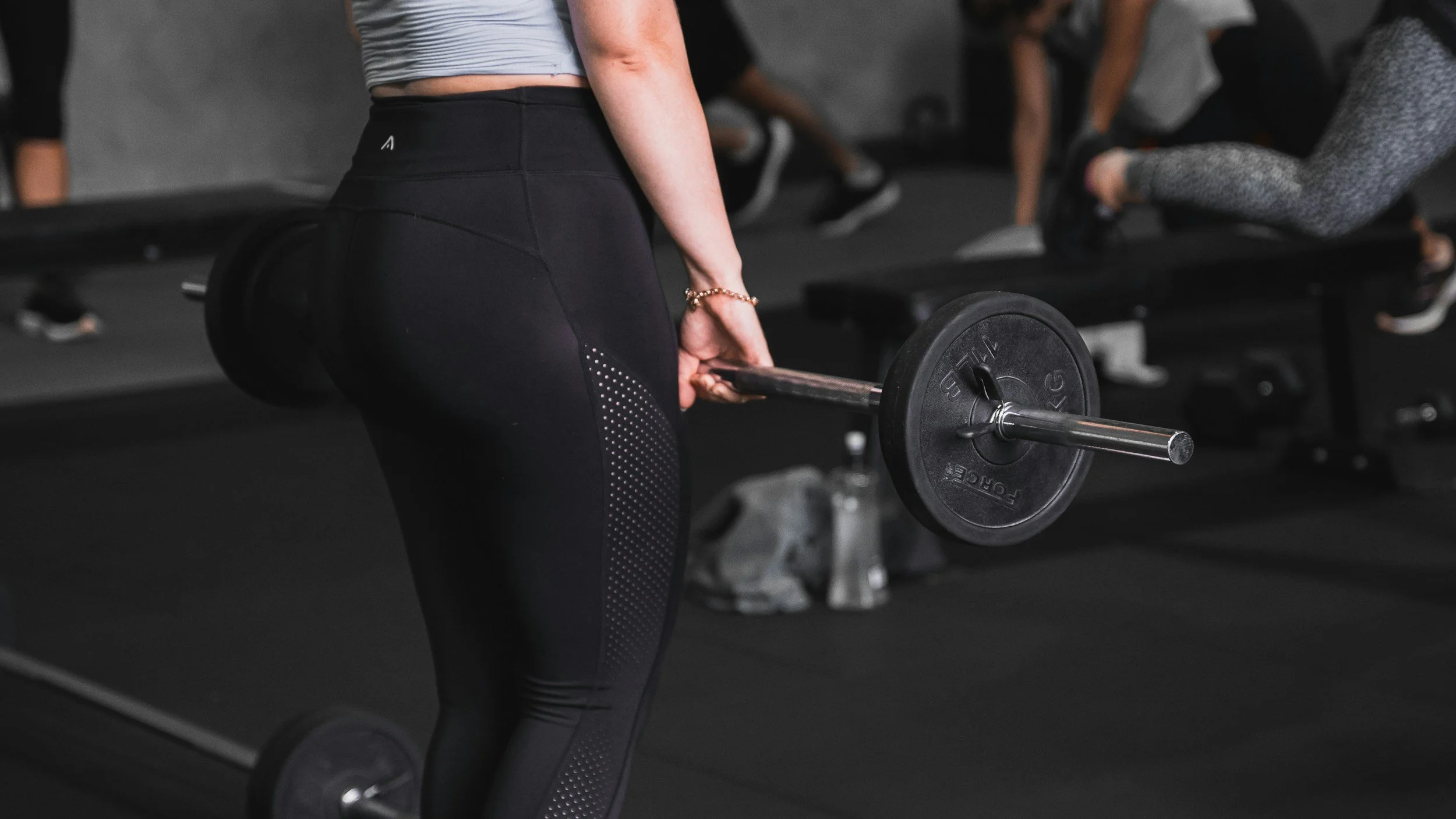
Every spring, it starts to happen.
The weather warms up, we spend more time outside, layers come off… and suddenly the conversation shifts to getting a “summer body.”
But here’s the thing: strength training isn’t just about how you look in shorts or a tank top. It’s about building a body that supports you — through busy days, changing/fluctuating hormones, and the natural aging process.
For women 30+, especially those navigating perimenopause, strength training isn’t optional. It’s essential.
Let’s talk about why.
Strength Training vs. Cardio: The Myth That Still Won’t Go Away
For years, many women were told that cardio was the key to weight loss and toning. While cardio absolutely has benefits for heart health, it does not provide the same long-term metabolic and functional advantages as strength training.
Research consistently shows that resistance training:
• Helps preserve lean muscle mass
• Supports metabolic rate
• Improves insulin sensitivity
• Supports bone density (critical as estrogen declines)
• Improves balance and reduces fall risk as we age
Cardio burns calories in the moment.
Strength training changes your body’s capacity long term.
This doesn’t mean you should skip cardio — it means strength should be the foundation.
Why Strength Training Matters Even More After 30
Starting in our 30s, we naturally begin to lose muscle mass (a process called sarcopenia). During perimenopause, hormonal shifts can accelerate this, making it easier to gain fat and harder to maintain strength.
Strength training helps:
• Maintain and build lean muscle
• Support metabolic health
• Improve bone density
• Reduce joint pain
• Enhance mobility and stability
• Improve confidence and body image
This is about more than aesthetics. It’s about staying strong enough to carry groceries, hike, travel, lift your kids (or grandkids), and move confidently through life.
That’s real-life strength.
What “Lifting Heavy” Actually Means
The phrase “lift heavy” can sound intimidating — but it doesn’t mean you need to deadlift hundreds of pounds.
“Lifting heavy” simply means:
You are challenging your muscles enough that the last few reps feel difficult while maintaining good form.
This could look like:
• Dumbbells at home
• Resistance bands
• Bodyweight exercises
• Kettlebells
• Machines at a gym
Heavy is relative — and it should progress over time.
Functional Strength: Training for Real Life
Functional strength means training movements that translate directly into everyday activities.
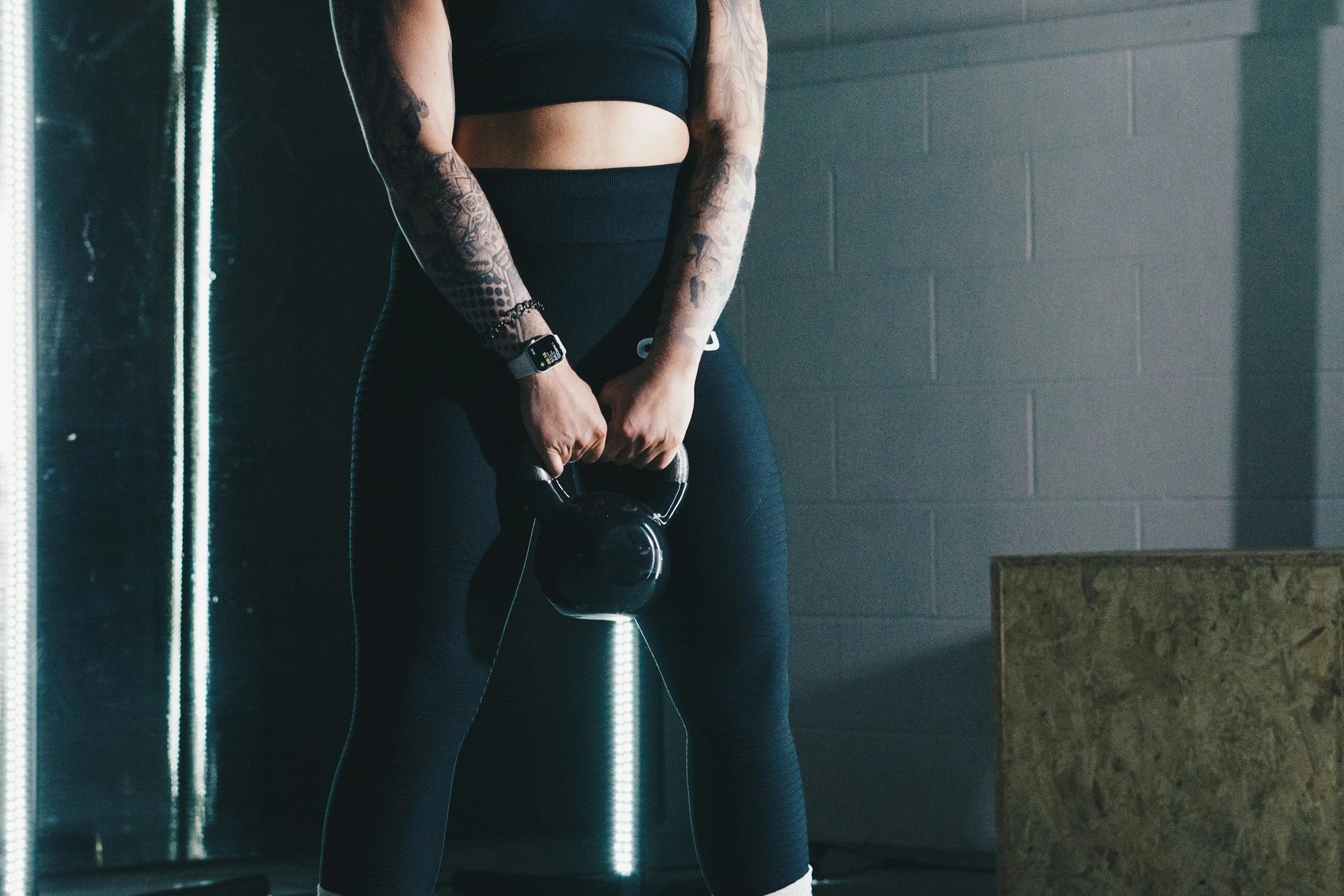
Think:
• Squats → getting up from chairs
• Deadlifts → picking things up safely
• Rows → posture and upper body strength
• Lunges → balance and stability
• Carries → core and total-body strength
When you train these patterns, you’re not just building muscle — you’re building resilience.
You Don’t Need a Gym to Get Strong
One of the biggest misconceptions is that strength training requires a full gym setup.
It doesn’t.
Some of the most effective programs start with:
• Bodyweight exercises
• A few dumbbells
• Resistance bands
• Minimal space at home
In fact, starting at home can be a great way to build consistency and confidence before ever stepping into a gym.
This is something I emphasize in my coaching — your program should fit your life, not the other way around. I customize training plans based on:
• Your goals
• Your schedule
• Your experience level
• Equipment you have access to
• Whether you prefer home or gym workouts… or a combination of both.
There’s no “one size fits all” approach to getting strong.
Simple, Sustainable Strength Tips
If you’re just getting started, keep it simple:
1. Aim for 2–3 full-body sessions per week
This gives your muscles enough stimulus without overwhelming your schedule.
2. Focus on progressive overload
This just means gradually increasing:
• Weight
• Reps
• Sets
• Time under tension
Small progress adds up.
3. Done is better than perfect
You don’t need long workouts.
You don’t need fancy equipment.
You don’t need to be “all in.”
Consistency matters more than perfection.
Strength Builds More Than Muscle
Yes, strength training can change how your body looks — but the biggest benefits go far beyond aesthetics.

Strength training helps build:
• Confidence
• Energy
• Mobility
• Independence
• Resilience
• Long-term health
This is about creating a strong foundation for the years ahead — not just the summer ahead.
Ready to Build Strength That Lasts?
If you’re ready to move beyond chasing a “summer body” and start building sustainable strength for real life, I’d love to help.
My coaching focuses on customized, realistic plans designed around your goals, schedule, and available equipment — whether that’s at home or in the gym.
You don’t need to wait until everything is perfect. You just need a starting point.
👉 Get started here.
Let’s build strength that supports your life — now and for years to come. 💪