
The 5 Habits Women Over 30 Should Focus On in 2026
(Instead of Dieting Harder)

If you’re heading into the new year feeling done with diets, restriction, and “starting over” every Monday… you are absolutely not alone.
Most women over 30 tell me the same thing: Every January, they feel like they need a total overhaul. But it’s overwhelming.
And honestly? That feeling makes sense.
Your body, hormones, stress levels, lifestyle, and responsibilities have all changed since your 20s. So trying to “diet harder” each January isn’t a solution—it's usually why things haven’t worked.
The good news?
You don’t need a hardcore diet, detox, or extreme challenge to make progress in 2026.
What you do need are consistent, realistic habits that support your metabolism, hormones, energy, and lifestyle.
Here are the 5 habits I coach women over 30 to focus on—because these are the ones that actually move the needle.
1. Prioritize Protein at Every Meal
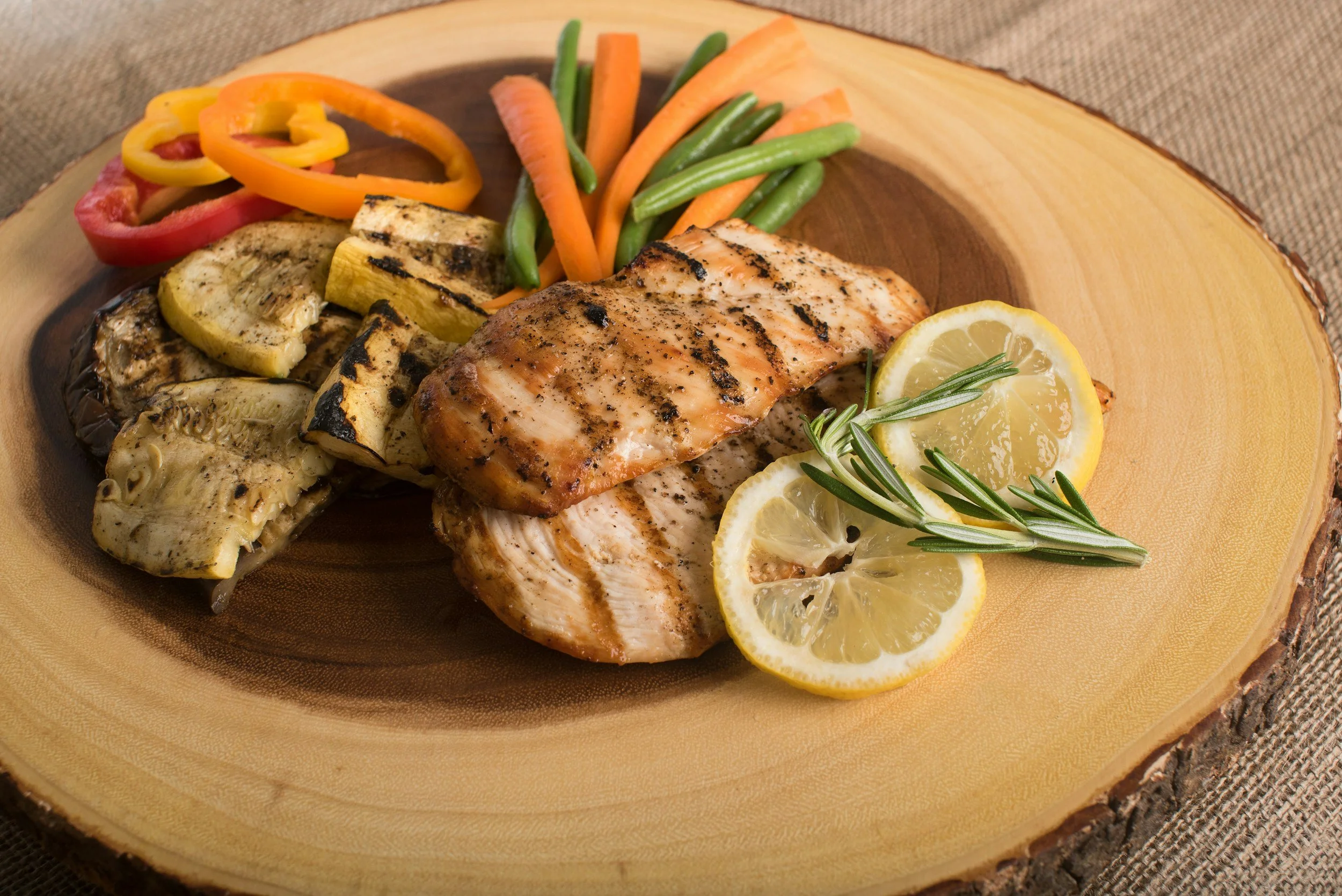
As we get older, we naturally lose muscle if we aren’t actively working to keep it. Less muscle means a slower metabolism, lower energy, and feeling hungrier throughout the day.
Protein helps with all of that.
It keeps you full longer, supports muscle, and stabilizes your blood sugar—especially important during the perimenopause/menopause transition.
Easy ways to get more protein in each day:
• Start breakfast with 20–30g of protein
• Choose lean meats, eggs, Greek yogurt, cottage cheese, tofu, or protein powder
• Build meals around protein first, then add carbs and fats
• Aim for 25–30g of protein at each meal
This one shift alone can change your hunger, cravings, and energy within a week.
2. Strength Train At Least 2–3 Times per Week
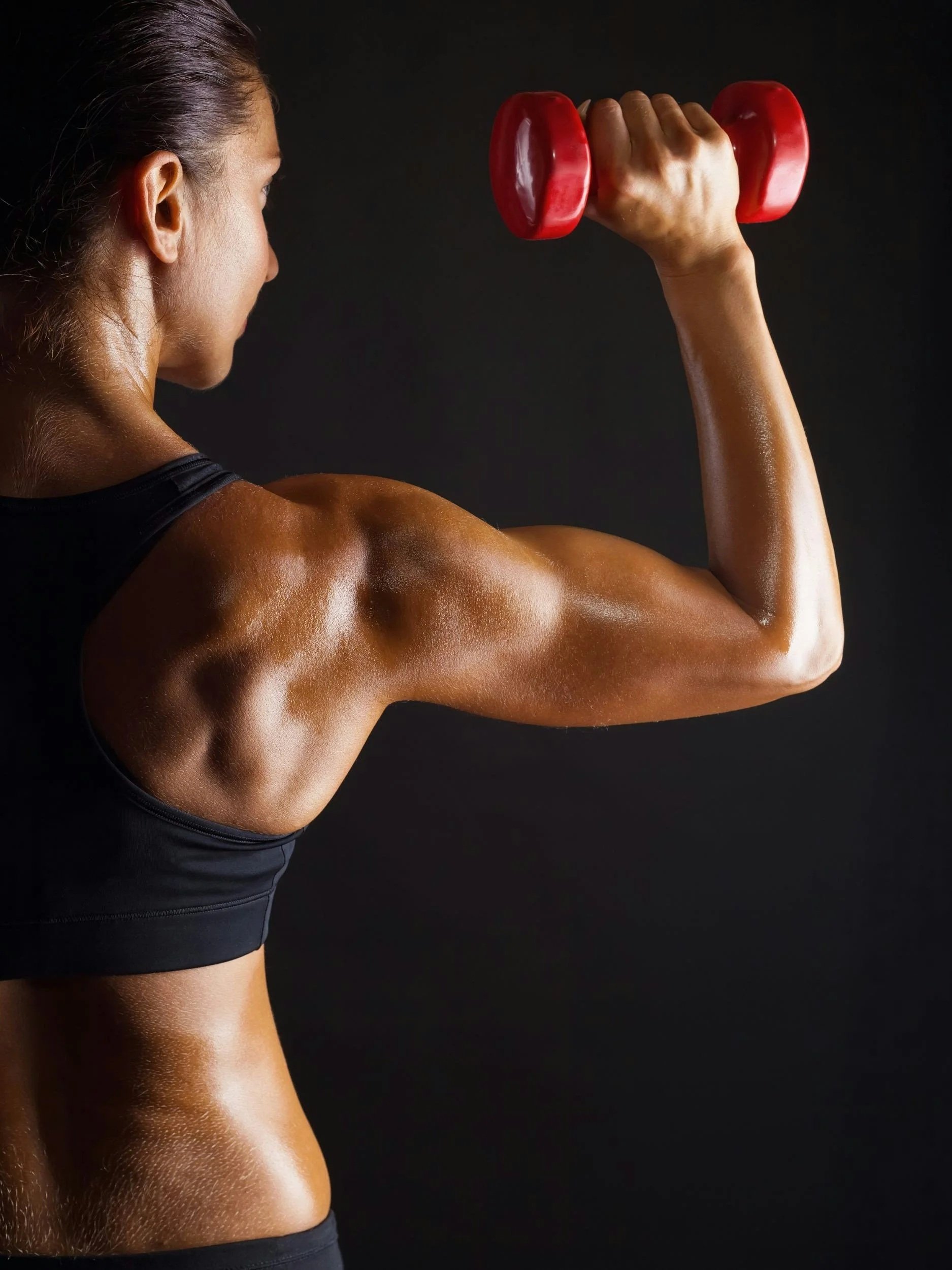
Cardio isn’t bad—but it’s not the magic solution for fat loss after 30.
Strength training is.
When you strength train, you:
• Build and preserve muscle
• Boost your metabolism
• Improve insulin sensitivity
• Reduce injury risk
• Feel stronger, more confident, and capable
You don’t need a complicated gym routine.
You just need consistency.
A simple weekly strength routine might look like:
• 2–3 full-body workouts
• 6–8 exercises per session
• 8–12 reps using challenging weights
That’s it. Strength training is truly one of the best investments you can make in your long-term health.
3. Walk More + Increase Light Movement

Women often think they need long, sweaty workouts to make progress.
Not true.
Walking and light movement throughout your day actually have a massive impact on fat loss, hormone balance, stress, and energy.
This is because of something called NEAT (Non-Exercise Activity Thermogenesis) — all the movement you do outside of workouts.
Increasing NEAT can:
• Improve fat loss
• Reduce stress
• Improve mood
• Support your metabolism
• Help you sleep better
Simple ways to increase movement:
• Add a 10–15 min walk after meals
• Park farther away
• Walk during phone calls
• Do light stretching or mobility work in the evenings
Consistency here goes farther than you think.
4. Build Simple Stress Regulation Habits
Women over 30 often carry so much—work, family, relationships, emotional load, changing hormones, and the constant pressure to “do more.” When stress builds up without any release, it affects far more than just your mood.
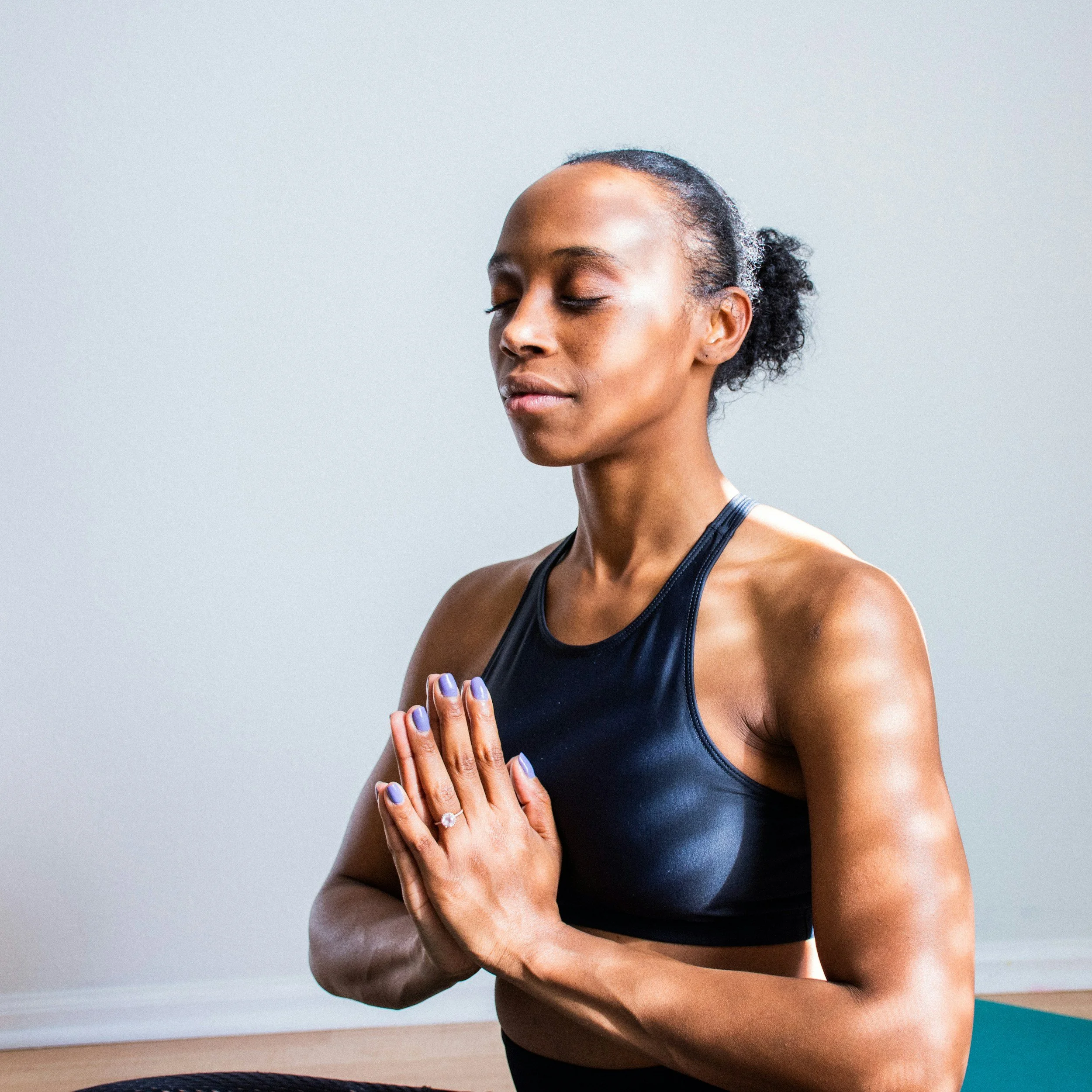
Chronic stress can impact:
• Hunger and cravings (your body looks for quick energy)
• Sleep quality (harder to fall asleep or stay asleep)
• Recovery from workouts (slower muscle repair and more soreness)
• Digestion (bloating, indigestion, irregularity)
• Energy levels (fatigue or feeling “wired but tired”)
• Hormone balance — including cortisol, which can stay elevated when stress is constant
• Motivation and consistency (everything feels harder)
So no, stress isn’t just “in your head.” It changes how your entire body functions.
The goal isn’t to eliminate stress altogether.
The goal is to build simple, realistic habits that help your body regulate it.
Try one or two of these:
• 3–5 deep breaths before meals
• A short walk when you feel overwhelmed
• A quick stretch routine before bed
• Reducing evening screen time
• A nightly brain dump to unload thoughts
• Protecting one small block of time each day that’s just for you
Stress can show up in your body in so many ways — from shifting appetite and slowing recovery to interrupting sleep and altering mood — which is why understanding your unique stress patterns can make such a big difference in how you feel day-to-day.
5. Focus on “Good Enough” Habits, Not Perfection
This is where so many women get stuck.
You don’t need to be perfect to make progress.
You just need to be consistent enough.
When life gets busy, instead of quitting, ask:
“What’s the good enough version I can do today?”
Examples:
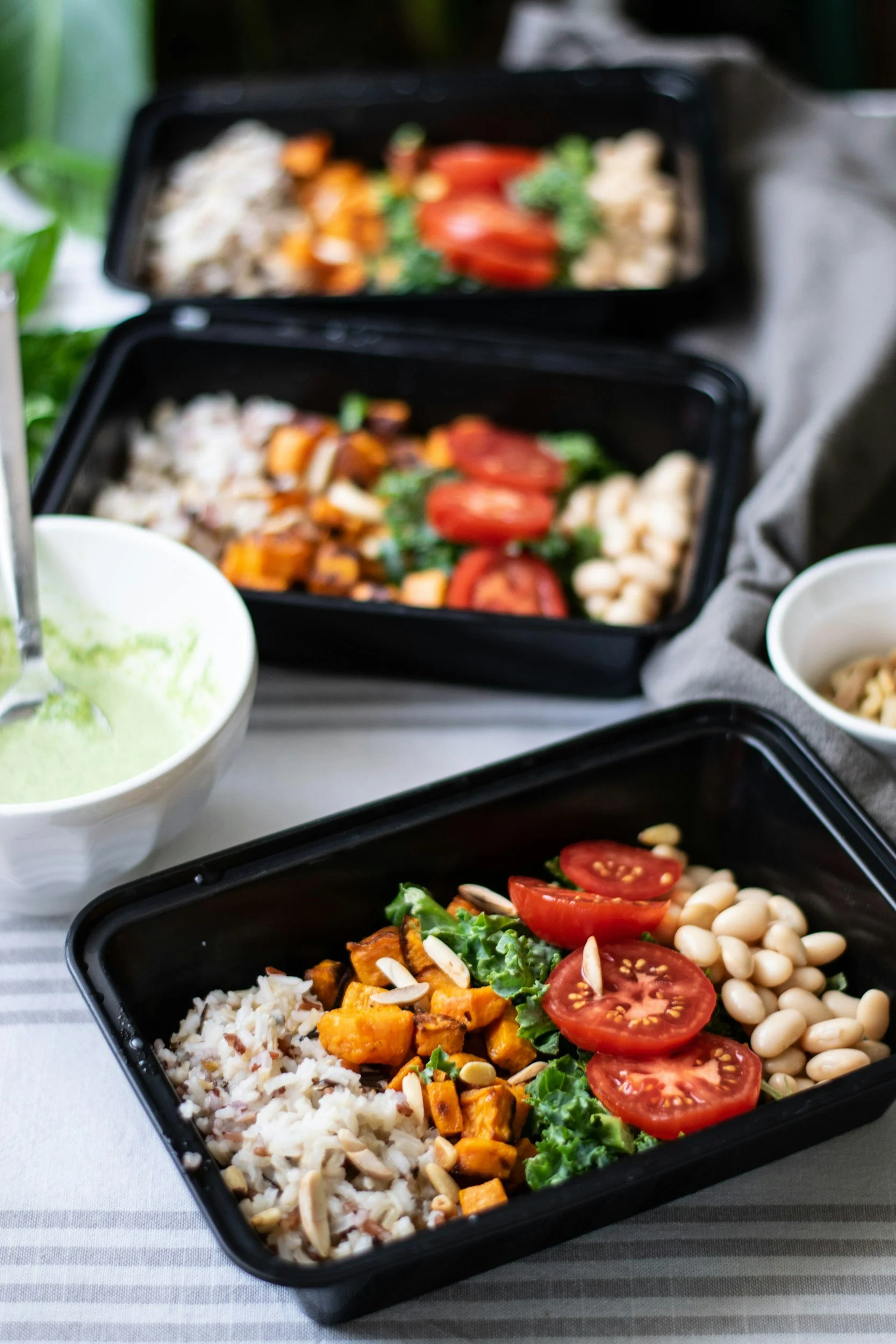
• No time for meal prep? Make one high-protein breakfast instead of prepping all meals.
• Missed a workout? Take a 15-minute walk.
• Ate off-plan at lunch? Eat a balanced dinner—no starting over tomorrow.
• Low energy? Do a short strength session instead of a full one.
Your life doesn’t need to fit a perfect routine for your goals to work.
Progress comes from stacking simple habits, not mastering perfect ones.
Final Thoughts: You Don’t Need a New Body in 2026—you need new HABITS
If you want…
• sustainable weight loss
• better energy
• hormonal support
• more strength
• improved confidence
…focusing on these 5 habits will take you farther than any restrictive diet ever has.
And if you want help putting these habits into a routine that fits your actual lifestyle, I would love to support you.
Want personalized macros or a meal plan, a custom training program, and weekly accountability?
Send me a message or schedule a consult call—I’d love to work with you.